
Criminal Court Records in Red River Parish
A Red River Parish criminal court record is the case-level file kept by the Clerk of Court after formal charges are brought by the 39th Judicial District Attorney. The clerk criminal department states that it handles formal charges, indictments, bills of information, juvenile matters, pleadings, and court records. That makes the clerk's criminal department the practical custodian for the Red River Parish criminal case file.
The District Court is Louisiana's general trial court for Red River Parish criminal proceedings. Booking, bond, and custody may begin with sheriff or jail records, but the criminal court record tracks the prosecution path: charging instrument, arraignment, motions, hearings, plea, verdict, disposition, and sentence. For booking and custody status, use the jail resources; for the filed charge and outcome, use the clerk and court record.
The Louisiana expungement definitions statute helps explain why criminal court records may later be limited or hidden from public view.
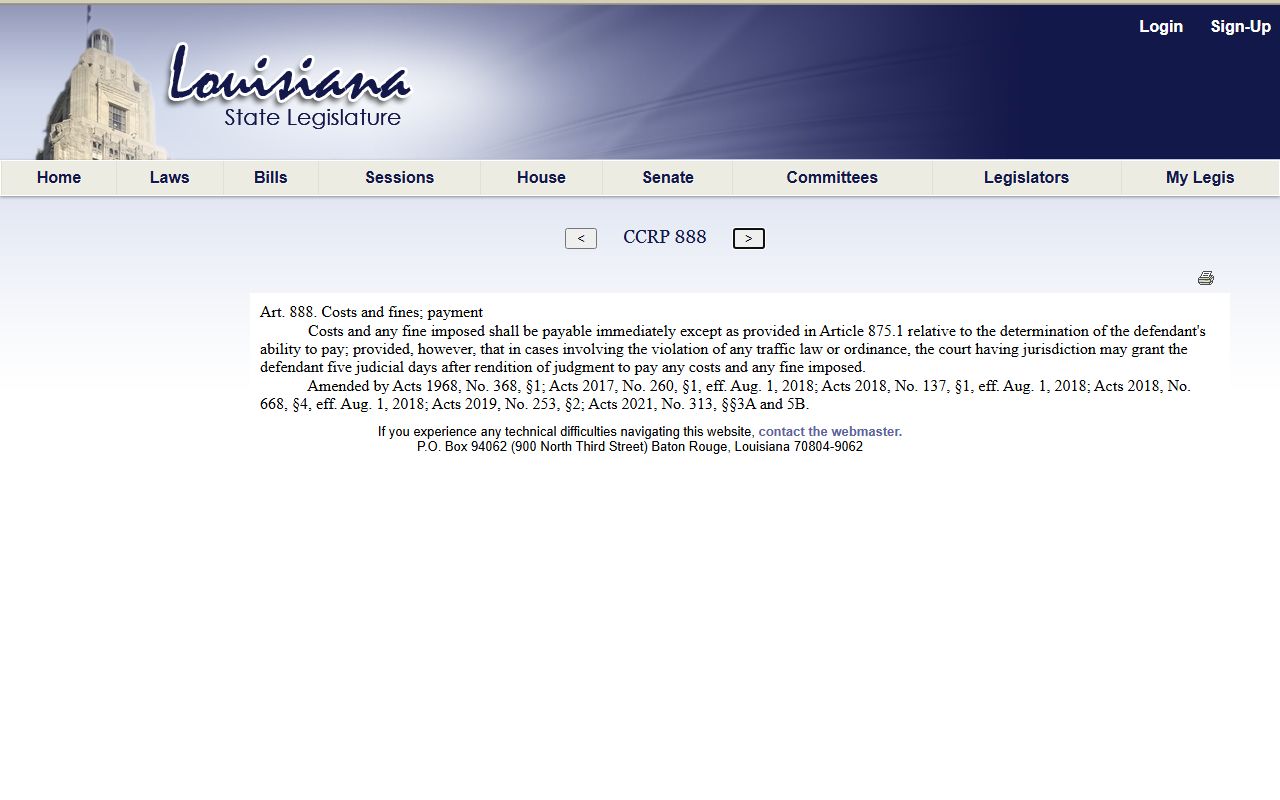
Expungement rules matter because a public search can miss records that still have legal history behind them.
How to Search Red River Parish Criminal Court Records
The official online route for Red River Parish criminal court records is ClerkNet, the portal linked by the Clerk of Court for civil and criminal records, court information, and e-filing. The research did not confirm exact live criminal-search fields inside the JavaScript application, so searchers should avoid assuming every document or charge status is visible without portal access or clerk help.
- Open ClerkNet from the official Red River Parish Clerk of Court website.
- Search with the defendant name, case number, or other live portal fields that are available.
- Confirm that the case is a criminal court file, not a civil, probate, traffic payment, or jail record.
- Review docket or minute entries for arraignment, motions, pleas, disposition, and sentence.
- Contact the Clerk of Court for certified copies, minute extracts, older files, or records not shown online.
State-level criminal history and custody tools are separate from the Red River Parish court file. Louisiana DOC and VINE focus on custody. The sheriff site handles jail and enforcement channels. The District Attorney decides prosecution and files formal charges, but the clerk maintains the court case file once the case is opened.
Stages of a Criminal Case
A criminal case record changes as the prosecution moves through the District Court. The first court-facing record is usually a charging paper, such as a bill of information or indictment. Later entries show whether the defendant was arraigned, whether motions were filed, whether hearings were set, whether the case ended in a plea or trial, and what sentence or judgment followed.
Case flow: Charges Filed › Arraignment › Pretrial / Motions › Plea or Trial › Disposition › Sentencing
| Stage | What Happens |
|---|---|
| Arraignment | The defendant is formally called before the court and a plea may be entered. |
| Pretrial / Motions | The case may show discovery, bond, suppression, continuance, or other filed motions. |
| Plea or Trial | The record may show a guilty plea, trial setting, verdict, dismissal, or acquittal. |
| Sentencing | The court records jail, prison, probation, fines, costs, or other sentence terms. |
What a Red River Parish Criminal Court Record Shows
The exact fields depend on what is visible in ClerkNet and what the clerk provides by copy request. A full criminal court file can include case-level data, charging papers, court minutes, pleadings, orders, and final disposition. Some documents may be restricted, sealed, redacted, or unavailable online even when the case index is public.
| Field | What It Shows |
|---|---|
| Case Number | The clerk's file identifier for requests, docket entries, and certified copies. |
| Defendant | The person charged in the District Court case. |
| Charges | The formal counts filed by the District Attorney through a charging instrument. |
| Plea | The defendant's court response, such as guilty, not guilty, or other plea entry. |
| Disposition | The outcome, including conviction, dismissal, acquittal, nolle prosequi, or other court action. |
| Sentence | Jail, prison, probation, costs, fines, or other final terms ordered by the court. |
Charges vs. Convictions
Being charged is not the same as being convicted. Red River Parish criminal court records may show counts that were amended, reduced, dismissed, or ended in acquittal. A charge is an accusation filed in court; a conviction is a final result after a plea or verdict. This distinction is why the charge page and the full criminal case file serve different reader needs.
| Charge | Conviction | |
|---|---|---|
| Stage | Accusation | Verdict or plea |
| Burden of Proof | Probable cause | Beyond reasonable doubt |
| Public Record | Yes | Yes |
Reading Dispositions and Sentences
Disposition language should be read with the whole docket. A guilty plea or verdict points to conviction and sentence. A dismissal or nolle prosequi means the prosecution did not continue that charge in that form. An amended charge may mean the final count differs from the original booking or charging entry. Sentence entries should be checked for probation terms, jail credit, costs, and any later revocation or modification.
The Louisiana misdemeanor expungement statute is one reason a Red River Parish criminal court record may no longer appear in a public search after a qualifying court order.
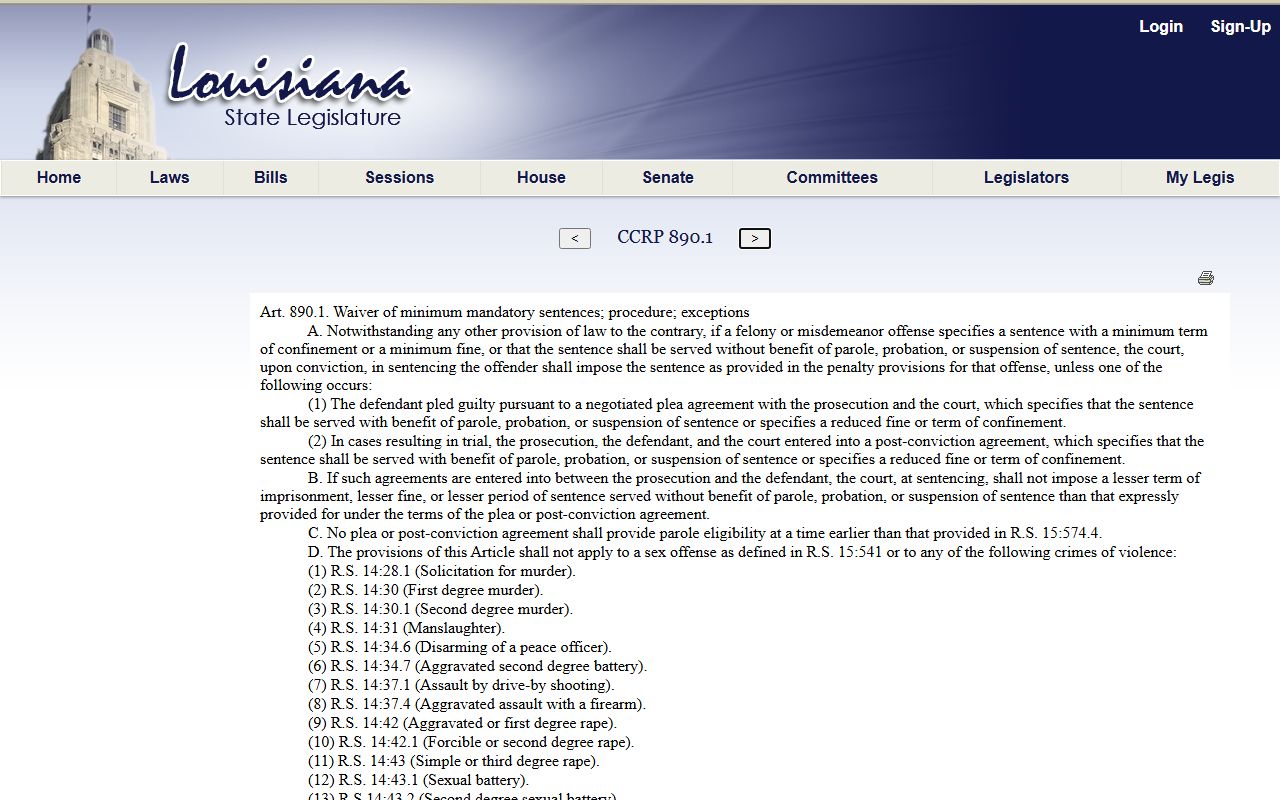
Misdemeanor records can have different public-access outcomes than felony records, so final status should be confirmed with the clerk.
Sealed vs. Expunged Records
Sealing and expungement both restrict public access, but they are not the same concept. Louisiana expungement law can remove public access to qualifying arrest or conviction records while allowing limited government access in defined situations. Sealing may hide a record from public inspection by court order or statute. Juvenile matters have separate confidentiality rules.
| Sealed | Expunged | |
|---|---|---|
| Visibility | Public access is blocked or limited by law or court order. | Public access is removed after a qualifying expungement order. |
| Law Enforcement | May retain limited access depending on the order. | Louisiana law can allow defined agency access after expungement. |
| Eligibility | Depends on the case type, law, and court order. | Depends on Louisiana Code of Criminal Procedure expungement rules. |
Public Access to Criminal Court Records
Criminal court records are generally public when they are filed in court and not sealed, expunged, juvenile, or otherwise restricted. Louisiana's public-records framework gives a broad right to inspect and copy public records, but custodians may withhold records that a specific law protects. In Red River Parish, the clerk is the criminal court file custodian, while the sheriff and DA have different law-enforcement and prosecution records.
Key Statutes:
La. R.S. 44:1 defines public records for Louisiana custodians.
La. R.S. 44:31 gives the public the right to inspect and copy public records.
Background Check Considerations
A casual criminal court records search is not the same as a regulated background check. Court records may be incomplete, delayed, sealed, expunged, or limited to one jurisdiction. Employers, landlords, insurers, lenders, and others subject to the Fair Credit Reporting Act must use compliant consumer-reporting processes rather than informal public-record browsing.
Important: This private site is not a consumer reporting agency and cannot be used for FCRA-regulated decisions.
Restricted Criminal Court Records in Red River Parish
Juvenile cases, sealed records, expunged records, protected victim details, sensitive attachments, and ongoing investigative material may be restricted. Louisiana Children's Code Article 412 governs juvenile court record confidentiality. The clerk criminal page lists juvenile matters among criminal department responsibilities, but that does not make those records public-search records.
The Louisiana felony expungement statute and juvenile confidentiality rules show why a Red River Parish criminal court record may require direct clerk review or a court order.
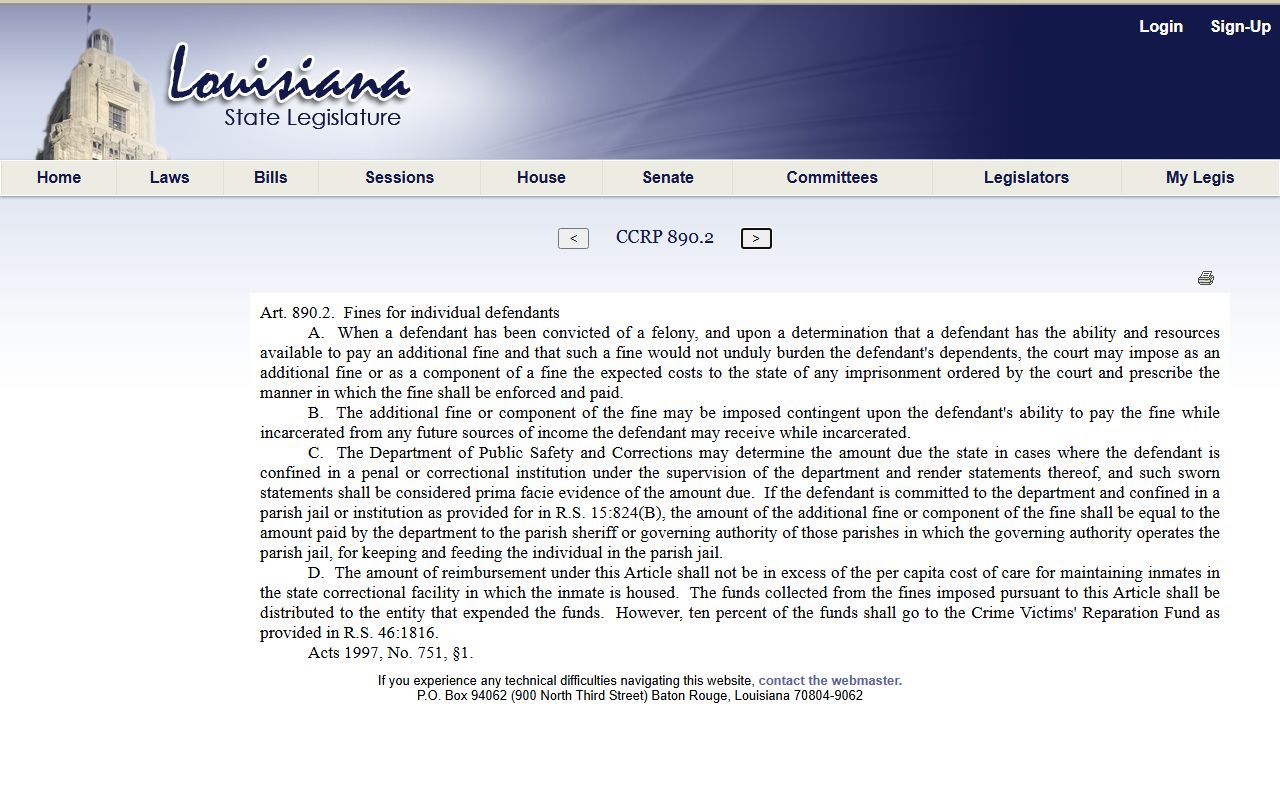
Felony expungement is a legal process, not a routine copy request, so the public file may not tell the full access story.
The Louisiana juvenile confidentiality statute also limits Red River Parish criminal court record access when a case involves juvenile matters.
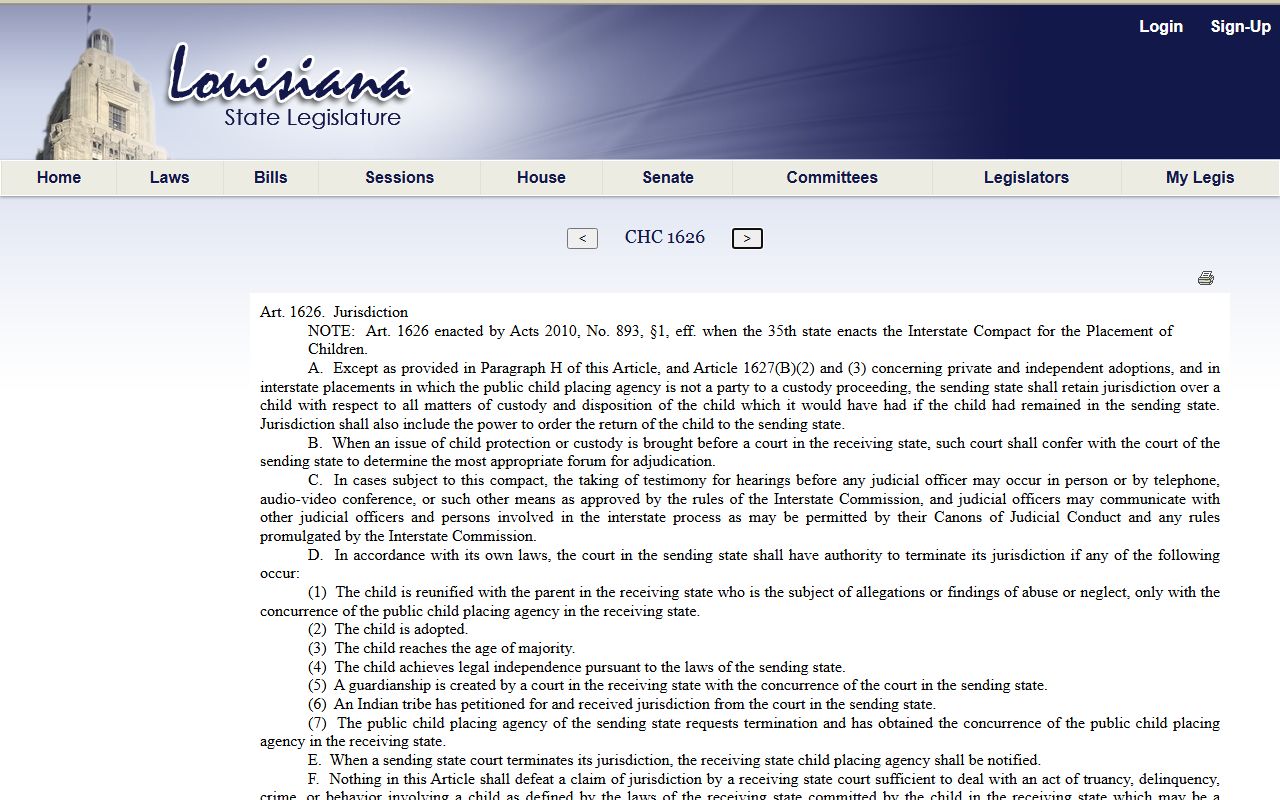
That rule is why juvenile references should be handled through the Clerk of Court or court order process, not a general public lookup.